Iran-Kuwait Air Base Attack: What We Know
Iran-Kuwait Air Base Attack: What We Know
Introduction
Reports published on or around November 18, 2026, said Iranian forces targeted U.S. installations at an air base in Kuwait during a wider escalation involving the United States, Iran, Bahrain, and other Gulf locations. The available summaries provide few independently verified operational details.
The reported sequence was:
- The United States allegedly struck Qeshm Island.
- Iran reportedly responded by targeting a U.S. air base in Kuwait.
- Separate reports described incoming attacks or threats involving sites in Bahrain.
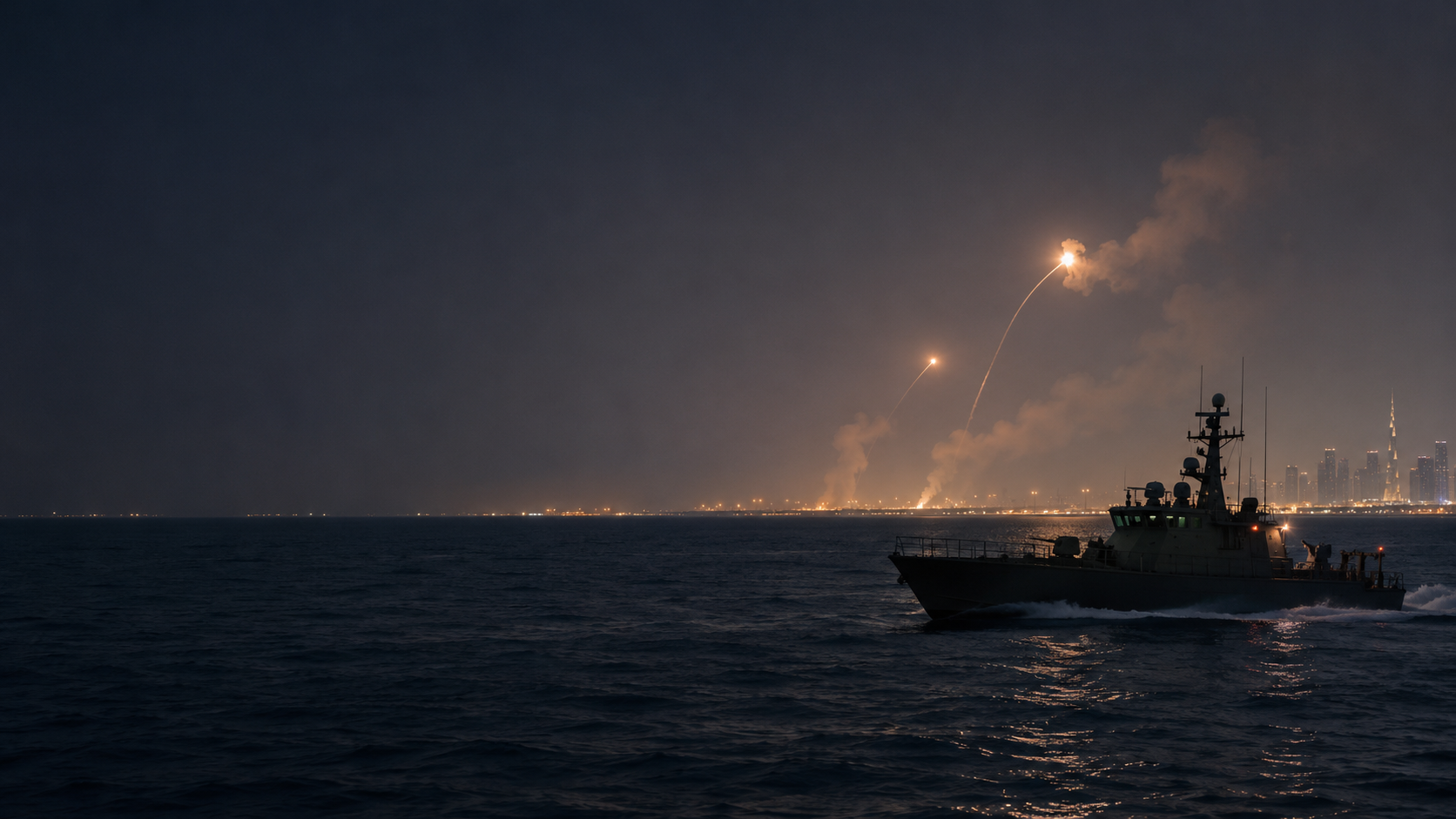
Anadolu Ajansı, citing Iran’s army, reported that drones targeted U.S. installations at a Kuwait air base (Source 7). AP News reported that Iran had expanded attacks in the Gulf by targeting a U.S. air base in Kuwait and sites in Bahrain (Source 1).
The reports do not confirm the exact base, the number of drones, whether the weapons reached their targets, the extent of damage, aircraft losses, or casualties. “Targeted” may describe an intended objective without confirming physical impact. Later statements from the U.S. Department of Defense, U.S. Central Command, Kuwait, Iran, or Bahrain could revise the initial account.
What Happened at the Kuwait Base?
Reported Iranian Drone Strikes
The available Anadolu Ajansı summary said that Iran’s army reported drone strikes against U.S. installations at a Kuwait air base (Source 7). The supplied material does not specify:
- The number of drones.
- Their launch location or flight path.
- Whether Kuwaiti or U.S. defenses intercepted them.
- Whether any drone reached the base.
- Whether buildings, aircraft, runways, or support systems were damaged.
- Whether military or civilian personnel were injured or killed.
The specific base should not be named without confirmation from a reliable official or military source. Speculation, social media posts, and unverified imagery cannot establish the facility’s identity or the attack’s outcome.
The Alleged Strike on Qeshm Island
SNJ Today reported that Iran attacked a U.S. air base in Kuwait after the United States struck Qeshm Island (Source 5). This presents the Kuwait incident as a reported retaliatory action, but the supplied sources do not establish what the United States allegedly targeted, which weapons it used, whether damage or casualties occurred, or whether Washington acknowledged the operation.
The Qeshm Island claim should therefore remain attributed to the report rather than presented as a verified account of U.S. military action.
Facts That Remain Unconfirmed
Key questions include:
- What facility was targeted?
- When did the attack occur?
- How many drones were launched, and what type were they?
- How many were intercepted?
- Did any weapon cause damage?
- Were there military or civilian casualties?
- Did Kuwait confirm the incident?
- Did the United States formally attribute the attack to Iran?
- Did an alleged U.S. strike on Qeshm Island precede the Kuwait incident?
Confirmation should come from the U.S. Department of Defense, U.S. Central Command, Kuwait’s government or armed forces, Iran’s army or defense ministry, and Bahrain’s government. Unverified footage should be assessed through geolocation, timestamp analysis, and independent corroboration.
Why Kuwait Matters Strategically
Kuwait hosts important U.S. military facilities that support logistics, troop movements, air operations, equipment storage, regional command, and sustainment. An attack on a U.S. facility there would have implications beyond the immediate site.
Kuwait is a U.S. partner and host country rather than a direct combatant in the broader U.S.-Iran rivalry. A strike on its territory could place pressure on the Kuwaiti government while testing its security relationship with Washington.
The United States might reassess the positioning of personnel, aircraft, fuel, communications systems, supply routes, and air defenses. No specific change should be attributed to U.S. forces without official reporting.
Kuwait must balance its defense relationship with the United States against its diplomatic and economic ties with neighboring states. Possible responses could include increased air-defense readiness, restricted access around military facilities, expanded surveillance, coordination with U.S. forces, and diplomatic communication with Iran. The supplied reports do not detail any official Kuwaiti response.
Reports Involving Bahrain
The Jerusalem Post reported that Bahrain and Kuwait announced incoming attacks amid heightened U.S.-Iran tensions (Source 9). Such an announcement could indicate a confirmed launch, an air-defense alert, an intelligence-based warning, or a precautionary security measure. It does not by itself confirm impact, damage, casualties, or responsibility.
AP News separately reported that Iran had expanded attacks in the Gulf by targeting a U.S. air base in Kuwait and sites in Bahrain (Source 1). The supplied summary does not identify all Bahraini sites or confirm damage.
The reported geographic expansion could widen the conflict zone, increase pressure on U.S. partners, and raise the risk of miscalculation. Claims involving Kuwait, Bahrain, or other Gulf states require separate verification rather than being treated as one confirmed event.
Could the Standoff Escalate?
Al Jazeera reported that analysts warned the existing U.S.-Iran status quo could escalate into war (Source 3). Potential escalation pathways include additional strikes on U.S. bases, attacks on Gulf states, damage to shipping or energy infrastructure, misidentification of an intercepted weapon, casualties that create pressure for retaliation, and proxy-group involvement in Iraq, Syria, Yemen, or elsewhere.
Escalation could remain limited to retaliatory strikes, develop into a sustained air campaign, affect national infrastructure, or become a broader regional war. Diplomatic pressure, back-channel communications, effective air defenses, and efforts to avoid overwhelming retaliation could restrain the conflict, but their effect would depend on subsequent attacks, casualties, and official decisions.
Potential Gulf Security Impact
Repeated drone or missile threats could disrupt base operations, aircraft movements, personnel safety, supply routes, surveillance, and air-defense deployment. Host countries could face airspace restrictions, flight disruptions, public anxiety, emergency preparations, and higher security costs.
A wider confrontation could also affect commercial shipping, port operations, insurance costs, oil and gas markets, regional aviation, and global supply chains. The supplied reports do not confirm disruptions to energy infrastructure or maritime traffic, so specific market forecasts require current data.
How to Assess Conflicting Reports
Readers and editors should ask:
- Who made the claim?
- Was it an official statement or an anonymous assertion?
- Is there visual, satellite, or geolocation evidence?
- Do multiple independent outlets report the same detail?
- Has the claim been updated or corrected?
Precise wording helps distinguish official claims from confirmed evidence. Useful formulations include “Iran’s army said,” “a report attributed to,” and “officials had not publicly verified.”
Only Sources 1, 3, 5, 7, and 9 directly support this article. The other supplied entries concern unrelated subjects and should be excluded. The links are Google News RSS article links rather than direct article URLs and should be checked before publication.
What to Watch Next
Important developments include further strikes against U.S. facilities, official statements about casualties or damage, new Iranian military statements, air-defense activity in Kuwait and Bahrain, and changes to U.S. force-protection measures.
Observers should also track statements from Kuwait and Bahrain, emergency regional meetings, U.S. diplomatic warnings, Iranian demands or red lines, and mediation efforts. Warning signs of a wider conflict would include strikes on multiple U.S. bases, attacks on civilian or energy infrastructure, confirmed American or Iranian fatalities, closure of airspace or maritime routes, additional force mobilization, and direct attacks on national capitals.
No single indicator proves that a wider war is imminent. Several occurring together would signal a serious change in the conflict.
Conclusion
The supplied reports describe an alleged Iranian drone attack targeting U.S. installations at a Kuwait air base after a reported U.S. strike on Qeshm Island. They also connect the incident with reports of incoming attacks and threatened or targeted sites in Bahrain.
The strategic significance lies in the possibility of a widening pattern. A confirmed attack on a U.S. facility in Kuwait would test American deterrence, Kuwait’s security position, and the ability of Gulf governments to prevent a regional conflict.
Casualties, damage, the exact target, the number of drones, and official attribution remain unconfirmed. The reports describe a serious test of U.S.-Iran deterrence and Gulf security, but they do not establish whether the incident will lead to a broader war.
FAQ
Did Iran attack a U.S. air base in Kuwait?
AP News, Anadolu Ajansı, and SNJ Today reported that Iran targeted U.S. installations at a Kuwait air base. The available summaries do not independently confirm the damage, casualties, or whether all incoming drones reached the base.
Why did Iran reportedly attack the base?
SNJ Today reported that the strike followed an alleged U.S. attack on Qeshm Island. This presents the Kuwait incident as retaliation, but the preceding strike requires confirmation from official sources.
Were there attacks on Bahrain?
AP News reportedly described Iranian attacks against sites in Bahrain, while the Jerusalem Post reported that Bahrain and Kuwait announced incoming attacks. The supplied summaries do not identify all affected sites or confirm the extent of damage.
Has the United States confirmed casualties or damage?
The supplied source summaries do not provide confirmed casualty or damage figures. Statements from the U.S. Department of Defense, U.S. Central Command, and Kuwaiti authorities should be reviewed before such details are presented as fact.
Could the incident lead to a wider U.S.-Iran war?
Analysts cited by Al Jazeera warned that the existing standoff could escalate into war. The outcome would depend on follow-up strikes, casualties, attacks on Gulf partners, damage to civilian infrastructure, and diplomatic efforts.
What should readers watch next?
Readers should monitor official statements about casualties, base damage, further attacks, airspace restrictions, and diplomatic negotiations. Major developments should be confirmed by multiple independent reports before being treated as established facts.
Related Articles
-
 Trump’s Shenzhen Arrival and Xi’s Family History
-
 Ukraine Reportedly Struck Crimean Bridge Without Starlink
-
 Putin’s Asia Visit Highlighted by Russian Tu-95 Bombers
-
 Democrats Nominate Hakeem Jeffries for House Speaker
-
 Markwayne Mullin Faces Scrutiny Over Football Trip
-
 Letters to 12 Trump Associates Remain Unverified
-
 Los Angeles County Issues Health Order Over Landfill Gas Plume
-
 Xi Jinping Reportedly Hugs Trump Ahead of Summit
-
 Trump Projects Strength on China as Tech Failures Raise Concerns
-
 Modi, Trump Awkward Quad Photo-Op: What Footage Shows
-
 Ukraine Seeks Air Defense as Peace Talks Narrow
-
 Oversight Democrats Signal Scrutiny of Trump Allies
-
 Chiquita Canyon Landfill Trash Geyser Raises Health Concerns
-
 Mary Peltola and Alaska's Senate Balance: Fact-Check
-
 Rubio Says No Evidence Links Recent Tech Outages
-
 Reported Iran Attacks on Kuwait and Bahrain Escalate Gulf Crisis