Leonid Meteor Shower Peaks Tonight: Viewing Guide
Leonid Meteor Shower Peaks Tonight: What to Know
The Leonid meteor shower peaks tonight, giving skywatchers a chance to see fast-moving streaks of light without a telescope or specialized equipment. Visibility depends on your location, weather, moonlight, and artificial light.
The annual shower is caused by debris from Comet 55P/Tempel-Tuttle. As Earth passes through the comet’s dusty orbital path, tiny particles enter the atmosphere at high speed and burn up, creating meteors.
The supplied coverage identifies tonight as an important viewing opportunity and confirms that the Leonids can be observed without a telescope Source 1. Exact conditions will vary by location.
What Is the Leonid Meteor Shower?
The Leonids are an annual meteor shower produced by dust and small rocky particles left behind by Comet 55P/Tempel-Tuttle. When Earth crosses this debris stream, the particles enter the atmosphere and heat the surrounding air, producing brief glowing streaks.
- Meteoroid: A small piece of rock or dust traveling through space.
- Meteor: The bright streak created when a meteoroid enters the atmosphere.
- Meteorite: A fragment that survives and reaches the ground.
Most Leonid particles burn up high above Earth’s surface. The visible streak is the meteor, not the object itself.
Why Are They Called the Leonids?
The meteors appear to radiate from the direction of Leo, the constellation that gives the shower its name. This apparent origin point is called the radiant.
The meteors do not actually come from Leo. Their paths are nearly parallel, but perspective makes them appear to spread from one area of the sky. Meteors can appear anywhere overhead, and viewers do not need to locate Leo to enjoy the shower. Looking across a broad area of sky often provides a better view than staring directly at the radiant.
Annual Shower or Meteor Storm?
The Leonids occur every year, but their intensity varies. Most years produce moderate activity. A particularly dense stream of comet debris can occasionally create a meteor storm with exceptionally high rates.
A normal annual peak should not automatically be called a meteor storm. For most viewers, intermittent activity is a more realistic expectation than a continuous stream of meteors. Dark skies and clear weather matter as much as the calendar date.
When Does the Leonid Meteor Shower Peak?
The supplied coverage identifies tonight as the peak viewing opportunity and provides general timing guidance Source 1. CBS News provides guidance for viewers around Boston Source 3, while Delaware Online discusses the shower’s timing and preferred viewing period Source 5.
Because the supplied summaries do not state a verifiable calendar date, exact clock time, or universal time-zone conversion, check a current astronomical calendar or local observatory listing before going outside. The peak is a worldwide astronomical window, not a guarantee of identical activity everywhere.
Best Viewing Hours
The hours after midnight and before dawn are often most favorable because the observer’s side of Earth faces more directly into the debris stream. Early evening viewing is possible, but the radiant may be lower and fewer meteors may be visible.
Local conditions depend on latitude, longitude, twilight, moonrise and moonset, cloud cover, visibility, and artificial light. Activity can continue before and after the official peak, so check nearby nights if clouds obscure the sky.
How to See the Leonids
Choose a Dark, Safe Location
Move away from city centers, streetlights, bright buildings, stadiums, shopping areas, illuminated parking lots, and industrial sites. A permitted rural area, open field, beach, park, or designated dark-sky location can provide better conditions.
Use only locations that are legal, accessible, and safe after dark. A darker sky reveals fainter meteors but does not guarantee constant activity.
Allow Your Eyes to Adjust
Give your eyes approximately 20 to 30 minutes to adapt after arriving. Avoid repeatedly checking a bright phone. If you need one, lower its brightness, enable dark mode, and use a red-light setting when available. A dim red flashlight can help you move around without significantly affecting night vision.
Scan a Wide Area
Meteors can appear in any direction. Recline in a chair or lie on a blanket, look upward, and scan a broad area slightly away from nearby lights. Meteors near the radiant may appear shorter, while those farther away can produce longer trails.
Bring Comfortable Equipment
No telescope is required. Its narrow field of view makes it poorly suited to meteor watching. Useful items include:
- A reclining chair or blanket
- Warm layers, gloves, and a hat
- Water and snacks
- A dim red flashlight
- A waterproof ground covering
Binoculars are optional. Unaided vision is usually better for catching fast-moving meteors.
Where Can You See the Leonids?
The Leonids can be visible across much of North America when skies are dark and clear. Boston and Delaware appear in the supplied coverage as examples, but their conditions should not be treated as representative of every nearby location Source 3.
The shower is not limited to the United States. Observers elsewhere may also see it, depending on latitude, darkness, and the radiant’s position. A location-specific astronomy service can show when Leo rises, when darkness begins, which direction to face, and how moonlight will affect visibility.
City residents can still see the brightest meteors. Try a backyard, rooftop, open recreational area, or darker suburban park. Never enter private or restricted property to improve your view.
What Will the Leonids Look Like?
Leonid meteors are usually fast streaks of white, yellow, or other bright light. Most last less than a second or a few seconds. Brighter meteors may leave a glowing trail that persists briefly.
Aircraft, satellites, and bright planets can be mistaken for meteors. Aircraft move steadily and may blink. Satellites move slowly without sudden flashes. Planets remain fixed relative to the stars.
How Many Meteors Will You See?
Published meteor rates generally assume ideal conditions, including a dark sky, an unobstructed horizon, experienced observers, and continuous viewing. They are not guarantees for individual viewers.
Clouds, moonlight, light pollution, trees, buildings, haze, fog, a low radiant, and short viewing sessions can reduce the observed rate. Activity is uneven, so quiet periods are normal. Watch continuously for at least 30 minutes.
Weather and Moonlight
Check the local forecast shortly before leaving. Pay attention to cloud cover, rain or snow, fog, wind, temperature, visibility, and road conditions. Clear skies matter more than the official peak.
A bright Moon can wash out faint meteors. Place a building, tree, or your body between your eyes and the Moon without blocking most of the sky. Check the Moon’s phase and rise or set time for your exact location.
Wear layers, insulated footwear, gloves, and a hat. Bring a waterproof ground covering. Leave if conditions become unsafe, including during severe wind, lightning, flooding, or dangerous temperatures.
Can You Photograph the Leonids?
A dedicated camera with manual controls offers the best chance of recording meteors. Use a sturdy tripod, a wide-angle lens, manual focus near infinity, interval shooting, a remote shutter or timer, and spare batteries and memory cards. Take test exposures and adjust the shutter speed, aperture, and sensitivity for local conditions.
A smartphone may capture bright meteors with a useful night mode or astronomy application. Keep it stable and use a timer or remote control. Set realistic expectations: a camera may record a meteor you did not see, while meteors visible to your eyes may fall outside the frame.
Use dim red light around other observers. Do not shine a flashlight across someone’s view, block paths, or set up equipment where it creates a hazard. Never photograph while driving; pull completely off the road in a designated parking area.
Common Mistakes to Avoid
- Expecting constant activity: Quiet periods are normal.
- Watching from a bright location: Move to the darkest safe and legal place nearby.
- Using a telescope: Its narrow field of view is unsuitable for meteor watching.
- Checking a bright phone: Reduce brightness and use a red-light setting.
- Relying only on the peak: Clouds or moonlight may make nearby nights better.
Are the Leonids Safe to Watch?
Meteor watching is safe with normal outdoor precautions. Choose stable ground and avoid roadsides, cliffs, isolated unsafe areas, and restricted property. Tell someone where you are going if you visit a remote location, and bring a charged phone for emergencies.
No special eye protection is needed for ordinary nighttime observation. Never stare at the Sun, and avoid unverified optical devices or bright lasers. Near roads, use designated parking areas, obey local restrictions, and direct headlights and flashlights away from other observers.
Viewing Checklist
- Check the local weather and cloud forecast.
- Confirm the peak time and time zone for your location.
- Find the darkest safe place available.
- Arrive before the recommended viewing window.
- Allow 20 to 30 minutes for your eyes to adjust.
- Recline and scan a broad area of sky.
- Keep your phone brightness low.
- Bring warm clothing, water, and a chair or blanket.
- Watch continuously for at least 30 minutes.
- Check nearby nights if clouds interrupt the peak.
Frequently Asked Questions
When does the Leonid meteor shower peak tonight?
The supplied coverage identifies tonight as the peak viewing opportunity but does not provide a verifiable calendar date or exact universal time. Confirm the local peak through a current astronomy calendar or observatory service.
Do I need a telescope?
No. The unaided eye is ideal because meteors can appear across a broad area of sky.
What is the best time to watch?
The hours after midnight and before dawn are often most favorable. Local darkness, moonlight, weather, and the radiant’s position matter more than a precise clock time.
Where is the best place to watch?
Choose a dark, permitted location away from artificial light, such as a rural area, open field, beach, park, or designated dark-sky site.
How many meteors will I see?
The number depends on weather, moonlight, light pollution, obstructions, and viewing time. Published rates describe ideal conditions, not personal guarantees.
Can clouds block the Leonids?
Yes. Clouds can block the shower completely or sharply reduce visibility. Check nearby nights before or after the peak, and confirm that travel conditions are safe.
Prepare for the Leonid Peak
The Leonid meteor shower requires no special equipment. The essentials are dark skies, clear weather, and enough time for your eyes to adjust.
Check the local forecast and verified peak time. Choose a safe viewing location, wear warm clothing, dim your phone, and watch patiently. The Leonids may not produce constant streaks, but a clear, dark sky can reveal a memorable display.
Related Articles
-
 Thinkers of Cernavodă: Stone Age Figurines
-
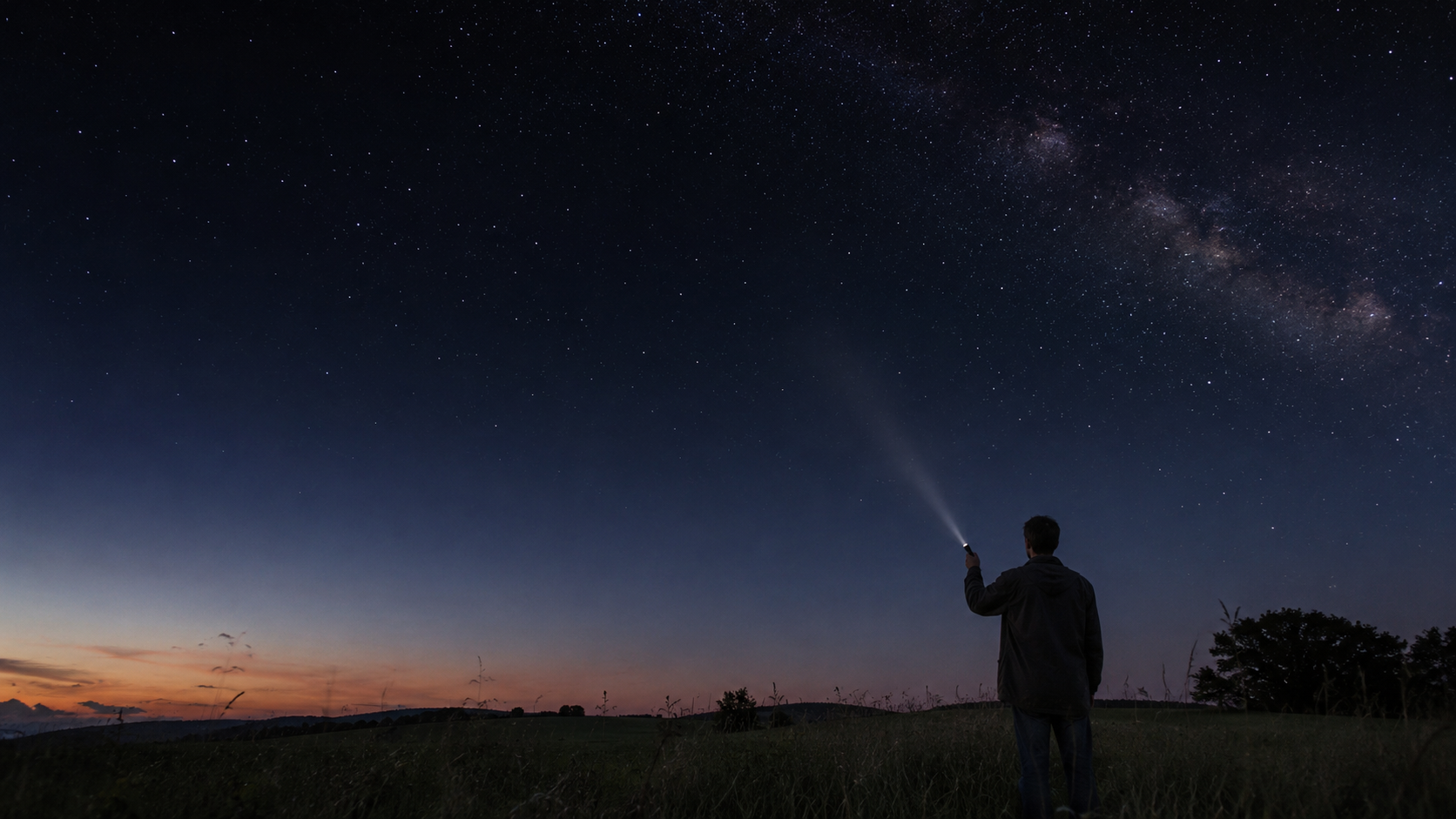 Why NASA Wants You to Shine a Light for Voyager 1
-
 Stephen Hawking’s Private Life Reexamined
-
 Ebola Is Survivable: Why Prompt Treatment Matters
-
 Hayabusa2 and 1998 KY26: What the Target Change Means
-
 Starship Flight 15, Tesla Merger, and $74B AI Bet
-
 Voyager 1 Approaches One Light-Day From Earth
-
 Leonid Meteor Shower 2026: Peak Dates and Viewing Guide
-
 ʻOumuamua: The Mysterious Interstellar Visitor
-
 Curiosity Finds Bright Yellow Elemental Sulfur on Mars
-
 Victor Glover’s Toughest Artemis II Challenge Explained
-
 What Makes Up the Cosmos? Evidence of Missing Physics
-
 Northern Lights Alert: 12 States May See Aurora
-
 Metal Potatoes May Host Dark-Oxygen Ecosystems
-
 SpaceX Booster Catch Could Cut Launch Costs by 77%
-
 Strange Radio Signals Repeat Every Eight Minutes