U.S. Army Iowa Lead Azide Disposal Plan Faces Court Stay
U.S. Army Iowa Lead Azide Disposal Plan Faces Court Stay
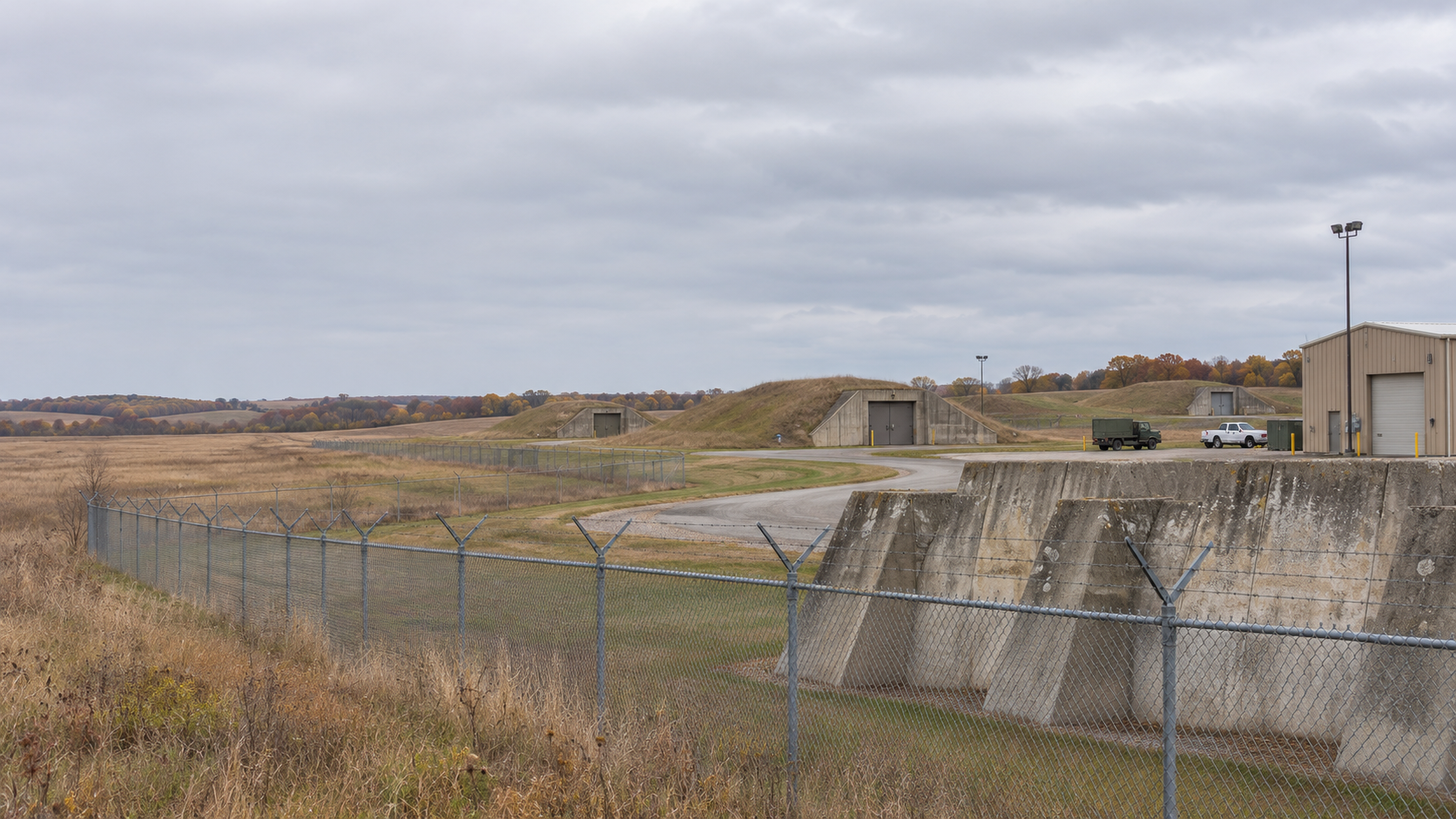
The U.S. Army reportedly planned an emergency operation to destroy hazardous explosive waste at an Iowa facility. Available reports identify the material as degrading lead azide waste, a sensitive compound associated with explosive initiation systems.
The proposed response involves controlled destruction rather than routine disposal. However, the operation has not been confirmed as completed. A separate report states that a court stay prevents the Army from carrying out the detonation while legal questions are reviewed.
The operation’s timing, legal status, and final outcome remain unresolved. The available reports do not confirm the exact facility, the amount of material, the court involved, or whether officials have developed a revised schedule. Source 1
What the Army reportedly planned
According to reporting based on regulatory filings, the Army planned to destroy degrading lead azide waste at an Iowa plant through controlled detonation. KMTV 3 News Now Omaha reported that the operation was scheduled for a Tuesday, although the available summary does not provide the exact date. Source 5
The proposal should not be confused with a completed operation. Available reports do not confirm that the chemicals were detonated, that an explosion occurred, or that work began under the original schedule.
The reported plan appears to be an emergency hazardous-materials response. It is not described as a weapons test, a new manufacturing project, or routine industrial activity. The stated objective is to eliminate existing waste that officials may consider difficult or dangerous to store, transport, or treat through conventional methods.
Why emergency provisions are involved
Emergency provisions can allow agencies to respond more quickly when hazardous materials present an immediate or escalating management problem. The reported concern is that the lead azide waste is degrading. Aging or deteriorating energetic material can create uncertainty about its stability and make ordinary handling more difficult.
Emergency authority does not necessarily eliminate oversight. Depending on the governing law and the proposed action, the response may still involve regulatory notifications, safety reviews, environmental controls, local coordination, and court scrutiny.
The available summaries do not identify the exact legal authority invoked by the Army. That detail should be confirmed through Army filings, regulatory records, or the court order rather than inferred from news headlines.
What is lead azide?
Lead azide is a highly sensitive explosive compound used primarily as an initiating material. Initiating materials begin a larger explosive reaction. Because of that role, lead azide requires specialized security, storage, handling, and disposal procedures.
This article concerns reported waste material, not instructions for making or using lead azide. Management of such material requires trained explosive-ordnance, industrial-safety, environmental, and emergency-response personnel.
The available reporting does not provide the quantity of waste or detailed technical information about its condition. Those details may be withheld because operational information about sensitive explosive materials could create safety and security risks.
Why degrading material creates concern
Energetic materials can become less predictable as they age or deteriorate. Degradation does not necessarily mean that an explosion is imminent, but it can complicate risk assessments and make routine handling less acceptable.
General concerns may include:
- Changes in sensitivity or stability.
- Difficulty moving or repackaging the material.
- Increased risk during inspection or treatment.
- Greater uncertainty about how the waste will respond to handling.
- More complicated long-term storage requirements.
Only qualified personnel with access to testing records, inspection history, facility controls, and the material itself can determine its actual condition. The term “degrading” is not a complete technical risk assessment.
Why ordinary disposal may not be suitable
Routine disposal can involve transportation, treatment, repackaging, or other physical handling. Each additional step can create hazards when waste is sensitive or unstable.
Controlled destruction may be considered when officials conclude that moving or processing the material would create greater risks than eliminating it at the existing site. That does not make detonation risk-free. It means authorities may regard it as the least hazardous available option after comparing alternatives.
A safe operation would require detailed planning, restricted access, monitoring, environmental protections, emergency coordination, and post-operation verification. This article does not provide technical procedures, quantities, exclusion-zone dimensions, or other information that could enable misuse of explosive materials.
Why destruction was reportedly considered at the Iowa facility
The description of the waste as degrading appears central to the Army’s emergency rationale. The available summaries do not include laboratory results, inspection records, engineering analyses, or a detailed explanation of how the material’s condition changed over time.
Continued storage may create general concerns, including further deterioration, changes in sensitivity, more difficult future removal, and greater costs and complexity if the waste becomes harder to manage. These are general risks, not proof that the facility faces an imminent public emergency.
Moving or treating the waste can also introduce hazards associated with loading, transportation, temporary storage, unloading, physical manipulation, or chemical processing. The Army’s proposed option presumably reflects a comparison of these risks, but the available reports do not identify every alternative considered.
Possible alternatives could include continued secured storage, stabilization, removal, treatment, or another disposal method, subject to technical and regulatory review. The Army should explain why controlled destruction was selected and why it considers that option safer than the alternatives.
What the court stay means
Channel 3000 reported that a court stay prevents the Army from detonating the chemicals in Iowa. Source 9
A stay generally pauses the government action covered by a court order while legal issues are considered. It does not necessarily decide the underlying dispute. The Army may be unable to proceed under the original plan while the stay remains active, but the exact effect depends on the order’s wording.
The available summary does not identify which court issued the stay, who requested it, how long it lasts, or whether it applies to every part of the proposed operation. Those facts should be confirmed through the court record.
Potential legal issues could include whether the Army properly invoked emergency authority, followed environmental procedures, provided required public notice, evaluated less hazardous alternatives, and adequately addressed risks to workers and nearby residents. These are possible issues, not confirmed descriptions of the parties’ arguments.
Possible next steps include:
- The stay could remain in effect.
- The court could lift or modify the stay.
- The Army could revise its plan.
- Officials could pursue another disposal method.
- The parties could reach an agreement before a final ruling.
- The original operation could be delayed pending further review.
The reported Tuesday schedule should not be treated as current unless the Army, regulators, or court confirms it after the stay.
Current status and timeline
Based on the supplied source summaries:
- The Army reportedly proposed an emergency response involving explosive waste in Iowa.
- The waste was described as degrading lead azide.
- A regulatory filing reportedly outlined a planned detonation.
- A court stay reportedly blocks the operation.
- The final schedule and outcome remain unresolved.
The PBS-related report provides the broad account of the proposed response. Source 3
The supplied reports do not establish:
- The exact facility location.
- The amount of waste.
- The exact date and time of the proposed operation.
- The court that issued the stay.
- The parties involved in the legal challenge.
- The Army’s detailed safety plan.
- The environmental monitoring plan.
- Whether the proposal has been canceled, delayed, or replaced.
- Whether any exposure, contamination, injury, or explosion has occurred.
The Google News URLs are referral links to coverage, not substitutes for the underlying articles, court order, regulatory filings, or Army statements.
How Iowa residents could be affected
Residents should follow official instructions from local emergency management, law enforcement, the Army, and state regulators. The available summaries do not provide confirmed evacuation orders, shelter-in-place instructions, traffic restrictions, noise estimates, or air-quality guidance.
Residents should not approach the facility, inspect the waste, or rely on unverified social-media claims. Questions about access, road closures, and protective measures should be directed to local authorities.
The available information does not establish a confirmed immediate emergency for residents. It does establish that officials are addressing hazardous explosive waste and that the proposed response is under legal review.
Residents may also ask how officials will protect air quality, soil, groundwater, nearby property, workers, emergency personnel, and the surrounding environment. Officials should explain whether monitoring will occur before and after any destruction, how residue or debris would be managed, and whether independent regulators will review the results.
What officials should explain
To the extent safely and legally possible, officials should explain:
- How much material is involved.
- Why it is classified as degrading.
- Whether inspections or testing identified increased risk.
- Whether the waste is isolated and monitored.
- Why destruction is considered safer than transportation or treatment.
- Which agencies reviewed the proposal.
- What environmental safeguards apply.
- How the site would be cleared and verified afterward.
- Which court issued the stay.
- What action the order blocks and how long it remains in effect.
- Whether a hearing or further review is scheduled.
- Whether the Army plans to appeal, revise the proposal, or await further proceedings.
Some operational information may need to remain restricted for safety or security reasons. Officials can still provide meaningful public information without releasing details that could enable misuse.
Conclusion
The U.S. Army has reportedly proposed destroying degrading lead azide waste at an Iowa facility under emergency provisions. The reported rationale is that continued storage, transportation, or conventional treatment may pose greater risks than controlled destruction.
The reported court stay is the key development. It prevents the Army from carrying out the planned detonation while legal questions are considered, although the stay does not necessarily resolve the dispute. The operation could be delayed, revised, replaced, or approved later.
The available information does not show that a detonation has occurred or that Iowa residents face a confirmed immediate emergency. Residents should follow official notices, avoid the facility, and rely on verified information from government agencies.
Frequently asked questions
What chemicals does the Army plan to destroy in Iowa?
Available reporting identifies the material as degrading lead azide waste. The supplied summaries do not provide the quantity or detailed technical condition of the waste.
Why does the Army want to detonate the chemicals?
The reported rationale is that the lead azide waste is degrading, which may make storage, transportation, or conventional treatment more difficult. The detailed risk assessment is not included in the supplied summaries.
Has the Army already detonated the chemicals?
The available information does not confirm that a detonation occurred. One report described a planned Tuesday operation, while another reported that a court stay prevents the Army from proceeding.
What does the court stay mean?
A court stay generally pauses the government action covered by the order while related legal issues are reviewed. It does not necessarily decide the underlying dispute. The stay’s scope, duration, and legal basis should be verified through the court record.
Is the Iowa community in immediate danger?
The supplied sources do not establish an immediate public emergency, contamination, injury, or explosion. Residents should follow instructions from local emergency management and other authorities, avoid the facility, and rely on verified updates.
Could the Army use another disposal method?
Yes. Depending on the court ruling, technical assessments, and regulatory requirements, the Army could delay the operation, modify the proposal, pursue another treatment method, or continue seeking approval for controlled destruction. The available summaries do not identify every alternative under consideration.
Related Articles
-
 COP31: Six Key Takeaways on Climate Action
-
 Russian Vessel Hit by Suspected Drone in Benghazi
-
 Can Trump Deliver Security for Ukraine?
-
 Lebanese Villagers Return to Damaged Homes
-
 Chuck Hubbard Victory: What Reports Confirm, What's Unclear
-
 Bay Area Flood Threat: Airport and Travel Safety Guide
-
 El-Sayed’s View on Private Insurance Under Medicare for All
-
 COP31 Talks Collapse in Turkey Over Fossil Fuels
-
 Russian Cargo Ship Burning Off Finland After Suspected Drone Attack
-
 Why Kim Jong Un Keeps Building Nukes and Avoids Trump
-
 Red Cross Warns Time to Regulate Autonomous Weapons Is Short
-
 US Releases Bigfoot Files from Montana and Oregon
-
 Two Passengers Arrested by ICE at Seattle Airport
-
 US Army Iowa Detonation Plan Faces Court Challenge
-
 Trump Nominees Face a Narrowing Senate Confirmation Window
-
 Russian Cargo Ship Reportedly Still Burning Near Finland