Leonid Meteor Shower 2025: When and How to Watch
Leonid Meteor Shower 2025: When and How to Watch
The Leonid meteor shower is expected to reach peak activity around November 17–18, 2025. Its meteors are among the fastest of any annual shower and can appear as sharp, bright streaks that cross the sky in a fraction of a second. Some bright meteors may leave glowing trains that linger briefly after the meteor disappears.
The best viewing conditions depend on your location, cloud cover, Moon brightness and light pollution. The shower remains active for several nights around its peak, so poor weather on the main night does not eliminate the opportunity to watch.
The most reliable method is simple: find a dark, open and safe location, go outside after midnight, allow your eyes to adjust and watch patiently. You do not need a telescope. The naked eye is usually the best tool because it provides the widest view of the sky.
What Is the Leonid Meteor Shower?
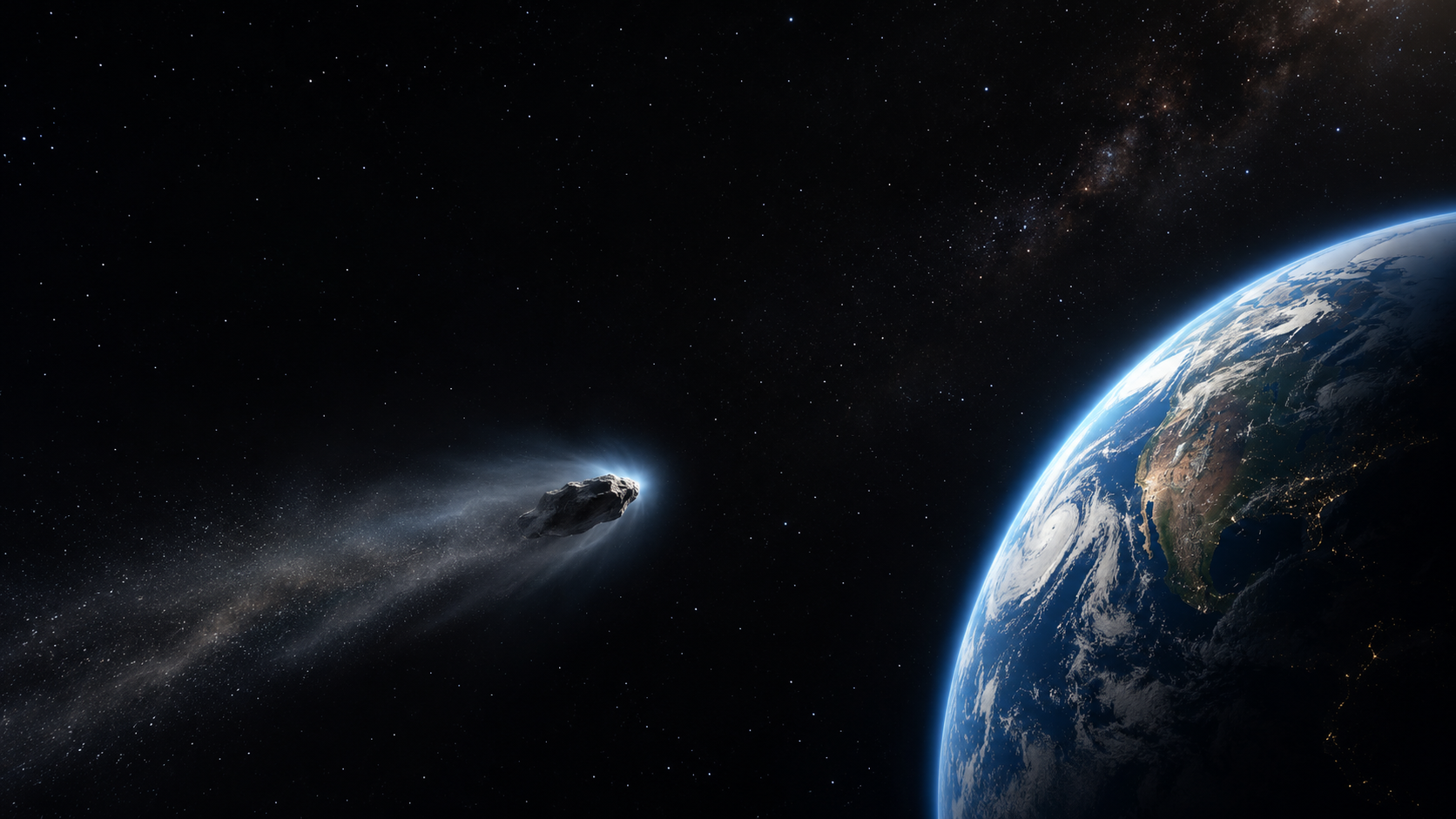
The Leonids occur when Earth passes through dust and small particles left behind by Comet 55P/Tempel-Tuttle. As these particles enter the atmosphere at roughly 71 kilometers per second, friction heats them and the surrounding air, creating bright streaks called meteors.
These streaks are not stars falling from the sky. Most of the particles are small and burn up high above Earth’s surface.
The shower appears to originate from the constellation Leo. This apparent starting point is called the radiant, which gives the Leonids their name. Meteors can appear across almost any part of the sky, but their trails seem to trace back toward Leo when followed in reverse.
Why the Leonids Can Be Fast and Bright
The Leonids are among the fastest annual meteor showers. Their speed can produce long, vivid trails and occasional persistent trains—faint, glowing or distorted trails that remain visible for several seconds after the meteor has vanished.
The shower has occasionally produced spectacular meteor storms when Earth crossed dense concentrations of comet debris. Such storms are rare and cannot be expected during an ordinary annual peak. Most years produce a more modest display, strongly affected by darkness, weather and viewing conditions.
When to Watch the Leonids
The Best Viewing Window Is After Midnight
Meteor activity often improves after midnight and continues until dawn. During these hours, the observer’s side of Earth faces more directly into the planet’s orbital path, increasing the chance of encountering incoming particles.
Leo also rises higher as the night progresses. A higher radiant generally means more of the shower is visible above the horizon.
You can begin watching earlier in the evening, but the number of visible meteors may be lower. Aim for approximately midnight until dawn, while checking the radiant’s altitude and the Moon’s position for your location.
Remain outside for at least 30 minutes, preferably longer. Meteor activity is uneven, and several quiet minutes do not mean the shower has ended. A longer session also gives your eyes time to adapt to darkness.
Watch Around the Peak
The predicted 2025 peak falls around November 17–18, but the Leonids remain active before and after that date. The night before or after the predicted maximum may offer better conditions if clouds, moonlight or scheduling make the peak night inconvenient.
A peak date identifies the period when Earth is expected to pass through the densest part of the debris stream. It does not guarantee a constant flow of meteors or identical conditions worldwide.
For the best chance of success:
- Check the night before and after the predicted peak.
- Compare cloud cover and Moon conditions.
- Choose the darkest available hours.
- Stay outside long enough to see activity build.
Check Weather and Moon Conditions
Before leaving home, check:
- Cloud cover and visibility
- Humidity and wind
- Temperature
- Moonrise and moonset
- Moon phase and brightness
Clouds are the most obvious obstacle, but haze and humidity can also reduce visibility. A bright Moon washes out fainter meteors, especially from locations already affected by artificial light.
The darkest period may occur while the Moon is below the horizon. If the Moon is above the horizon, place it behind a building, hill or other obstruction instead of looking toward it. Check a local forecast shortly before traveling.
Where to Look in the Sky
Use Leo as a Reference Point
You do not need to stare directly at Leo. Looking straight at the radiant often produces shorter meteor trails because the meteors appear to travel toward you from that direction.
Instead, look roughly 30 to 60 degrees away from Leo, with about 45 degrees serving as a useful guideline. This angle lets you see longer trails while keeping the radiant within your wider field of view.
An astronomy app or star chart can help you identify Leo. Use the screen briefly, then switch it off or dim it substantially to protect your night vision.
Look High Above the Horizon
Choose the darkest, clearest section of sky. A broad view is more valuable than a direct view of Leo. Avoid streetlights, bright signs, stadiums, buildings, trees, urban skylines and floodlit parking lots.
Meteors can appear anywhere overhead. Face the direction with the fewest obstructions, even if Leo is behind you, and keep your gaze high enough to avoid bright horizon haze.
Regional Viewing Guidance
The Leonids are visible across much of the Northern Hemisphere and may also be observed from southern locations. The radiant is lower from some southern latitudes, which can reduce the number of visible meteors.
Viewing times vary with latitude, longitude, daylight-saving rules and Leo’s position. Advice suitable for Boston may not apply to Mississippi, Ontario or the western United States. Use a reputable sky map to confirm the local radiant position and viewing window.
Observers in Ontario and Mississippi should travel away from major urban centers when possible, while checking local weather, site access and nighttime restrictions. Regional forecasts should supplement, not replace, a location-specific forecast.
How to Choose a Viewing Location
Artificial light reduces the contrast between meteors and the background sky. When practical, travel to a dark-sky park, rural field, beach, open hillside or large park with legal nighttime access.
Check opening hours, parking rules and safety restrictions before traveling. Some parks close at night or prohibit roadside parking.
Choose an open, stable area away from roads, private property and places where vehicles may not see pedestrians. Bring warm layers, a charged phone, a red-light flashlight, water and a reclining chair or blanket. Tell someone where you are going, especially when visiting a remote area, and bring a companion when possible.
Your eyes may need 20 to 30 minutes to adjust fully to darkness. Use a red flashlight, keep your phone screen dim and activate its night setting. Prepare navigation, weather information and camera settings before the session begins.
Equipment You Need
You do not need binoculars or a telescope. The naked eye provides the widest field of view, making it easier to catch fast meteors appearing in different parts of the sky.
A reclining lawn chair, sleeping bag or blanket can reduce neck strain. Wear multiple warm layers because sitting still for several hours feels colder than walking.
Optional equipment includes a weather app, stargazing app, compass, red-light flashlight, camera and tripod. A camera can capture meteors with a wide-angle lens, long exposure and manual focus, but photography requires preparation and should not replace direct viewing.
What to Expect
Published hourly rates describe ideal conditions, not a guaranteed number for every observer. Your actual count depends on light pollution, moonlight, cloud cover, radiant altitude, obstructions, viewing duration and observer experience.
Some meteors will be faint. Dark skies reveal more short streaks, while urban locations may show only the brightest meteors. Keep watching the full sky rather than focusing on one point.
The Leonids can produce bright fireballs, but their appearance is unpredictable. If you see an unusually bright meteor, record its time, direction and approximate duration. You can submit observations to a credible meteor-monitoring organization.
Step-by-Step Viewing Plan
Before Leaving Home
- Confirm the predicted peak and local viewing period.
- Check the hourly cloud and temperature forecast.
- Check Moonrise, moonset and lunar brightness.
- Choose a dark, open and legally accessible location.
- Pack warm clothing, water, a chair or blanket and a red-light flashlight.
- Tell someone where you are going if traveling remotely.
- Charge your phone and prepare navigation before departure.
After Arriving
- Turn off unnecessary lights.
- Set up with the widest possible sky view.
- Allow 20 to 30 minutes for dark adaptation.
- Locate Leo only as a reference point.
- Look 30 to 60 degrees away from the radiant.
- Scan a broad area high above the horizon.
- Remain outside for at least 30 minutes, preferably longer.
Keep your eyes moving slowly across the sky. Take breaks to stay warm and hydrated. Before leaving, collect all trash and follow the site’s nighttime rules.
Common Viewing Mistakes
Watching Only at Sunset
The sky is usually too bright soon after sunset. Stronger viewing generally occurs after midnight and before dawn.
Staring Directly at Leo
Meteors near the radiant can have shorter visible trails. Look 30 to 60 degrees away from Leo for longer streaks.
Staying in a Bright Location
Streetlights and illuminated buildings erase faint meteors. Move to the darkest safe location available.
Leaving After Five Minutes
Meteor activity is uneven. Give your eyes time to adjust and remain outside long enough to experience both quiet and active intervals.
Using a Telescope
A telescope’s narrow field of view is poorly suited to fast, unpredictable meteors. Use the naked eye instead.
How the Leonids Compare With Other Showers
The Perseids are known for strong summer viewing in the Northern Hemisphere. The Geminids often provide reliable winter activity and can produce many bright meteors. The Orionids, also associated with comet debris, are another fast-moving annual shower.
Each shower differs in peak date, radiant position, meteor speed, Moon conditions and typical activity. The Leonids stand out for their speed and occasional bright trails, but their annual display is not guaranteed to become a meteor storm.
Frequently Asked Questions
When will the Leonid meteor shower peak in 2025?
The 2025 Leonid meteor shower is expected to peak around November 17–18, 2025. The best viewing may occur after midnight and before dawn, although nearby nights can also provide worthwhile opportunities.
What time is best for viewing?
The early morning hours are usually best because the radiant rises higher and the observer’s side of Earth faces more directly into the meteor stream.
Where should I look?
Look broadly across the darkest part of the sky, roughly 30 to 60 degrees away from Leo. Do not stare directly at the constellation.
Do I need a telescope?
No. The naked eye provides a wider field of view and is better for catching fast meteors. A reclining chair, warm clothing and a dark location are more useful than specialized optics.
How many meteors will I see?
The number varies with light pollution, Moon brightness, cloud cover, radiant altitude and viewing duration. Published hourly rates are idealized estimates, not guarantees.
Can I see the Leonids from a city?
Yes, but urban lighting will hide many faint meteors. If possible, travel to a dark-sky site, rural area or permitted open park. Otherwise, watch during the darkest part of the night and block nearby lights from your view.